Takeaways from KORA Climate at Bangkok Climate Action Week 2026
Some climate projects deliver real benefits on the ground but are too small for the carbon credit model. At Bangkok Climate Action Week (BCAW) 2026, we asked what happens to them.
KORA Climate is returning to Bangkok Climate Action Week. 🌱 This year, we’re bringing the conversation: “Beyond Carbon Credits: The Local Climate Transition Gap in Biochar Carbon Projects.”
The gap we’re trying to close
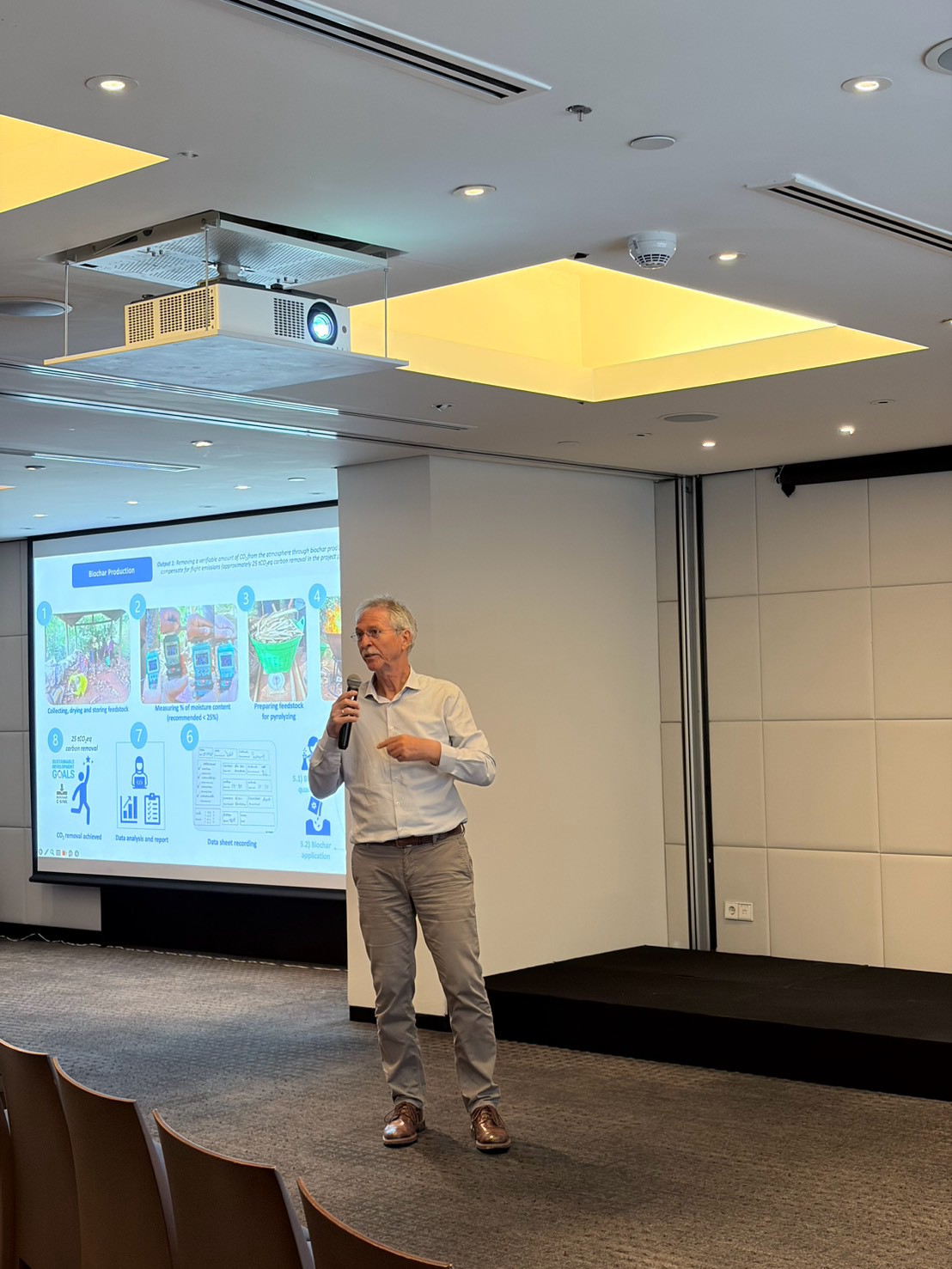
Small-scale biochar projects do a lot of good. They reduce agricultural burning, improve soil health, support farmers and contribute to carbon removal.
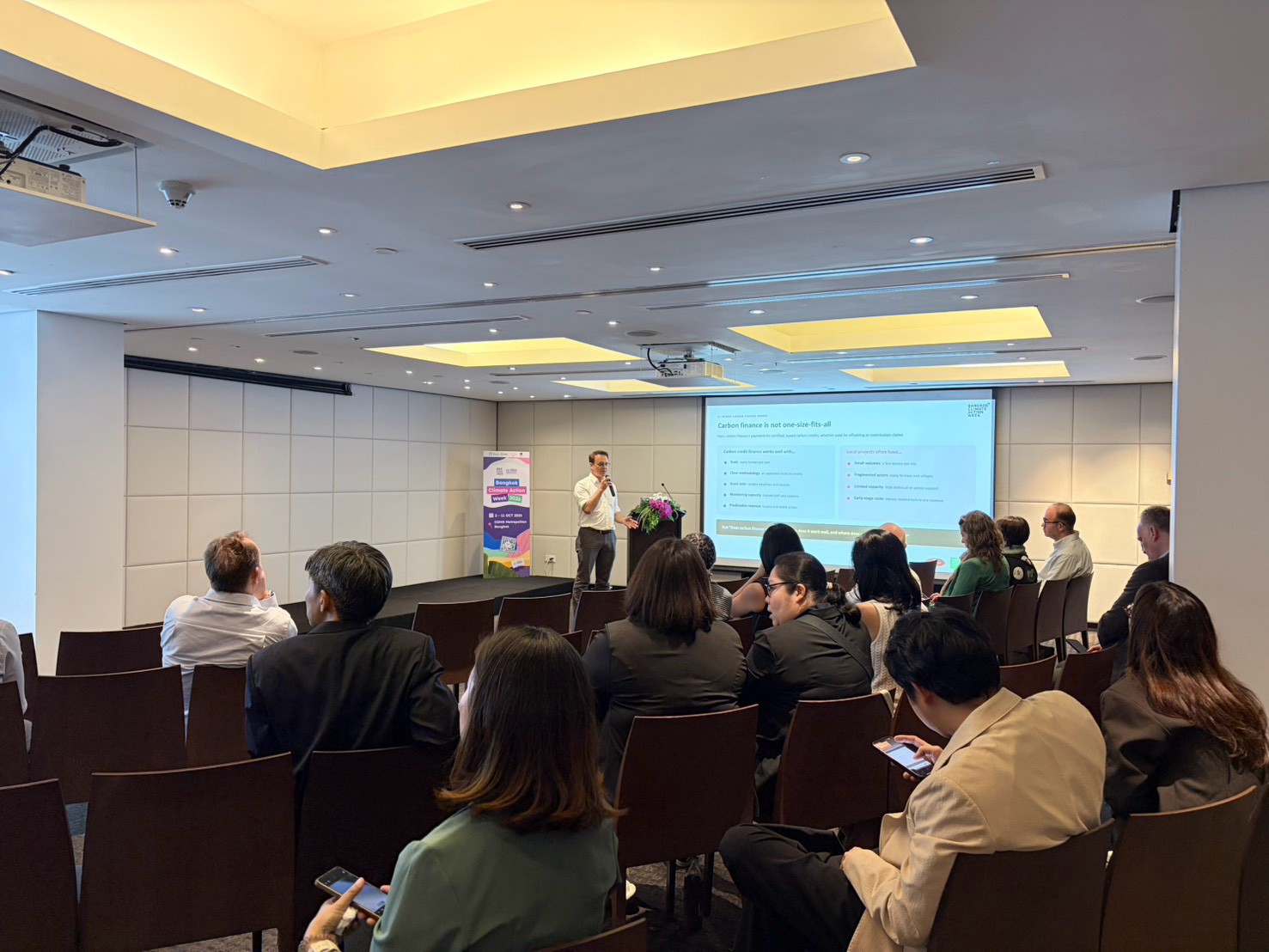
But a full carbon credit project requires monitoring, verification, documentation and other transaction costs. For a smallholder-scale project, these can be out of reach.
So instead of asking whether every project can become a carbon credit project, we asked a different question: What other pathways could support small-scale climate action?
Starting from the ground up
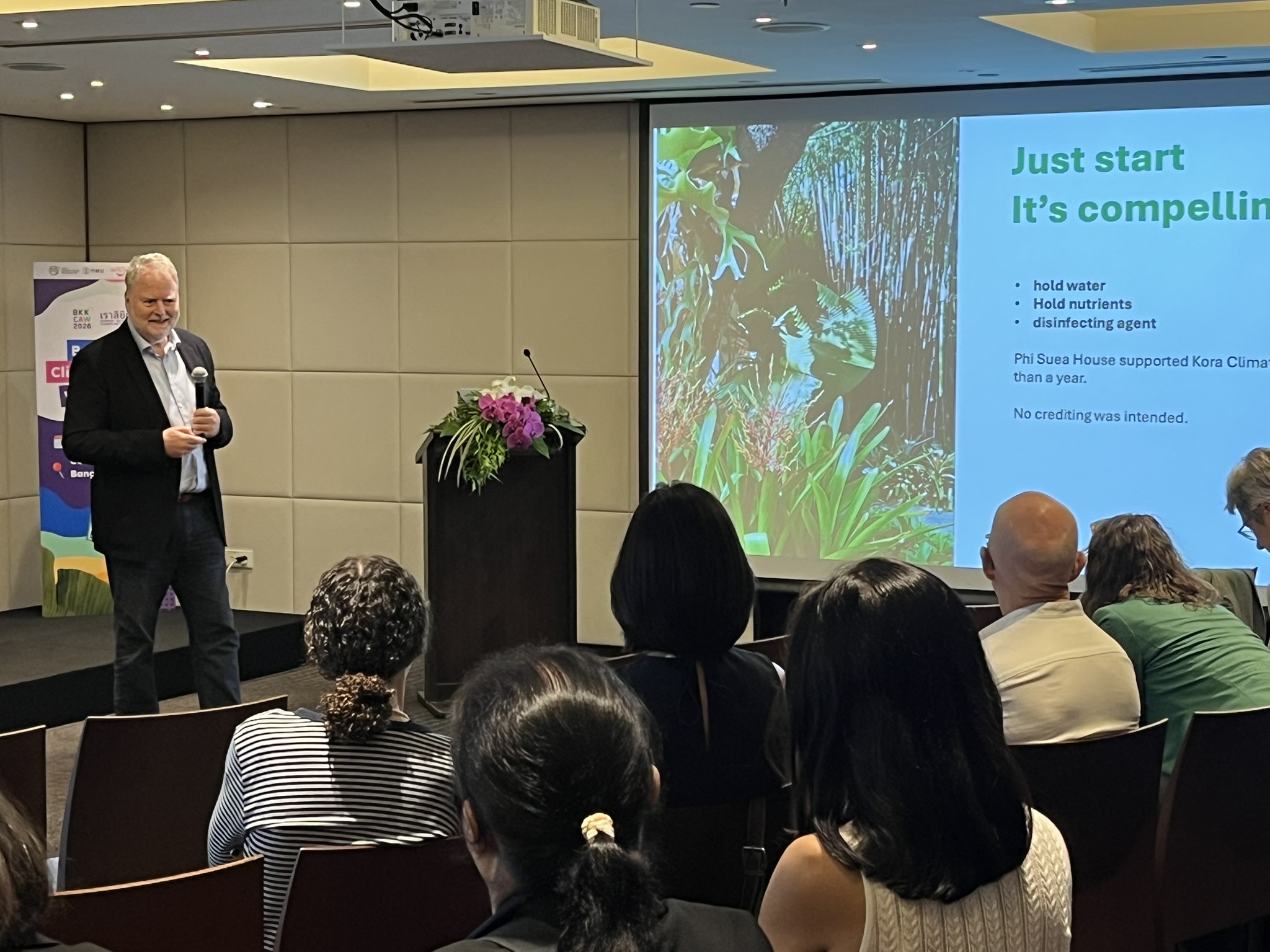
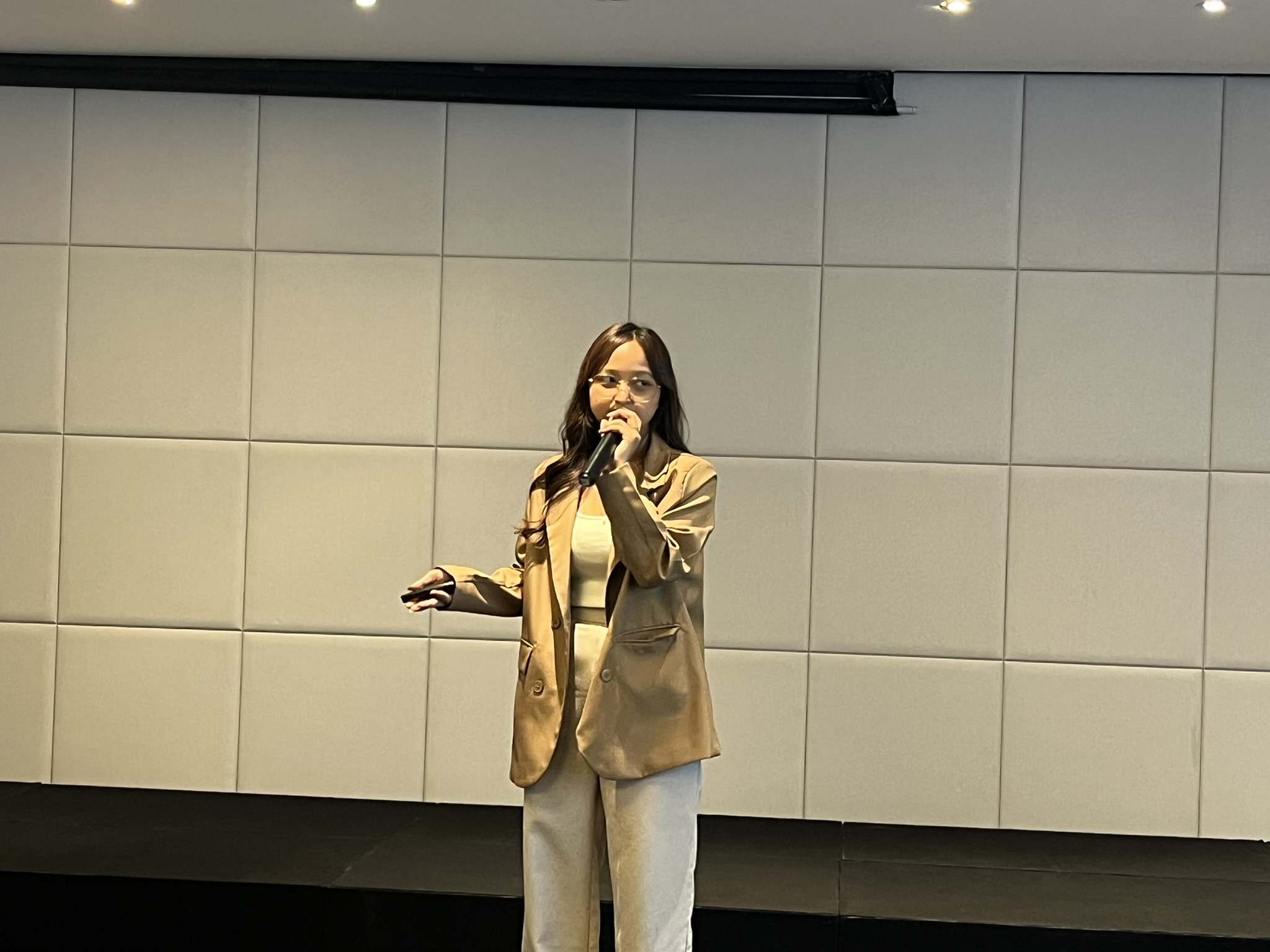
Our discussion drew on KORA Climate’s own biochar pilot, supported by Phi Suea House. At our event, Sebastian from Phi Suea House joined us to explain why they chose to back the project from the start: it fit naturally with their broader approach to circular economy, environmental stewardship, and practical learning. Biochar offers a simple way to turn biomass residues into a useful resource, improve soil, and test an approach that can be applied in practice. Importantly, the support was not intended to generate carbon credits. It was about enabling practical climate action, learning from the process, and demonstrating the wider value biochar can create beyond carbon removal. We’re grateful to Phi Suea House and Sebastian for sharing the thinking behind their
Introducing the KORA Biochar Platform
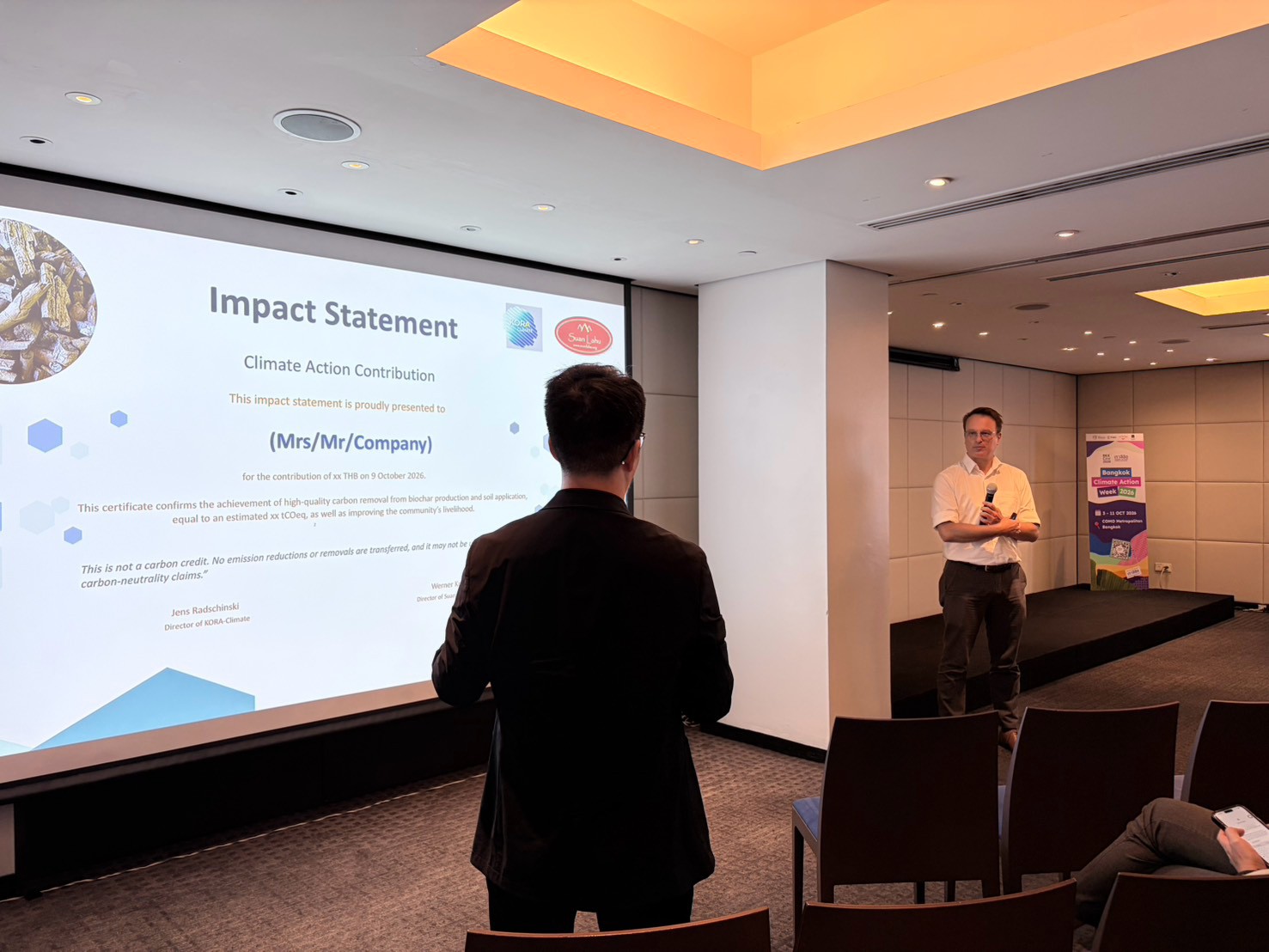
We also previewed the climate contribution platform, which is currently in development.
The platform aims to make small biochar projects more visible and connect them with businesses, individuals and other voluntary supporters, even where a conventional carbon credit project isn’t practical. For participating smallholders, this could provide an additional income source to support biochar production and application.
The platform is not an offsetting platform, what is does is to facilitate and certify climate action contributions. To be clear, the platform is not meant to replace carbon crediting. In parallel, we are planning a larger biochar programme that could be developed as a formal carbon removal project. These are different pathways for projects at different scales.
What we heard from the room
Participants came from climate finance, agriculture, business, carbon markets, research and development, and the discussion was lively. One question stood out:
How can small projects stay trustworthy and transparent without full external carbon credit verification?
It’s the right question, and one we need to answer as the platform develops. Voluntary supporters deserve clear information on where their contribution goes, what a project has delivered, and how results are reported. The discussion gave us valuable direction on where to focus next.
New connections
The session also led to practical opportunities:
- Biochar producers interested in listing their projects on the platform, which suggests the concept can grow beyond our own pilot.
- Companies with agricultural residues interested in exploring cooperation.
These conversations reinforced that supporting local biochar is more than mobilizing finance. It’s about connecting the whole ecosystem, from residues and producers to farmers, businesses and supporters.
WHAT’S NEXT ?
- Improve the KORA Biochar Platform, especially on transparency, project information, and how voluntary support reaches smallholders
- Continue conversations with producers and companies interested in cooperating
- Develop the larger biochar programme in parallel
Local climate action doesn’t need to follow a single route. Some projects may grow into formal carbon removal crediting projects. Others may stay small and local while still delivering meaningful environmental and community benefits. The challenge is finding practical ways for those smaller projects to receive support and keep growing. That is the gap KORA Climate will keep working on.